Chapter XXIII
The Carnival of Lies
by Bob Ogier
Every ticket promises wonder. Every exit reveals the truth.
A lie may entertain for a season, but truth is always waiting when the lights go out.
Most lies do not initially arrive looking dangerous, sharp, or malicious. Instead, they arrive dressed up as beautiful opportunities, as comfort, as cheap admiration, as rigid certainty, or as easy, effortless answers. That is precisely what makes them so immensely powerful. The Carnival of Lies explores the profound idea that deception rarely forces itself upon us through blunt coercion. Instead, it invites us inside with bright colors, flashing lights, and tempting promises.
The barkers shout loudly across the midway, the prizes sparkle in the booths, and the games look completely fair from a distance. But none of them ever deliver what they advertise. The song also explicitly turns its analytical eye inward: not every deception originates from an outside force. The mirror of vanity represents the lies we intentionally tell ourselves—the protective stories we create, the deep flaws we refuse to face, and the elaborate illusions we carefully choose to maintain. Eventually, the carnival must close. The lights fade, the crowd disappears into the night, and all that remains behind is truth. That precise moment of silence is the true, beating heart of the song.
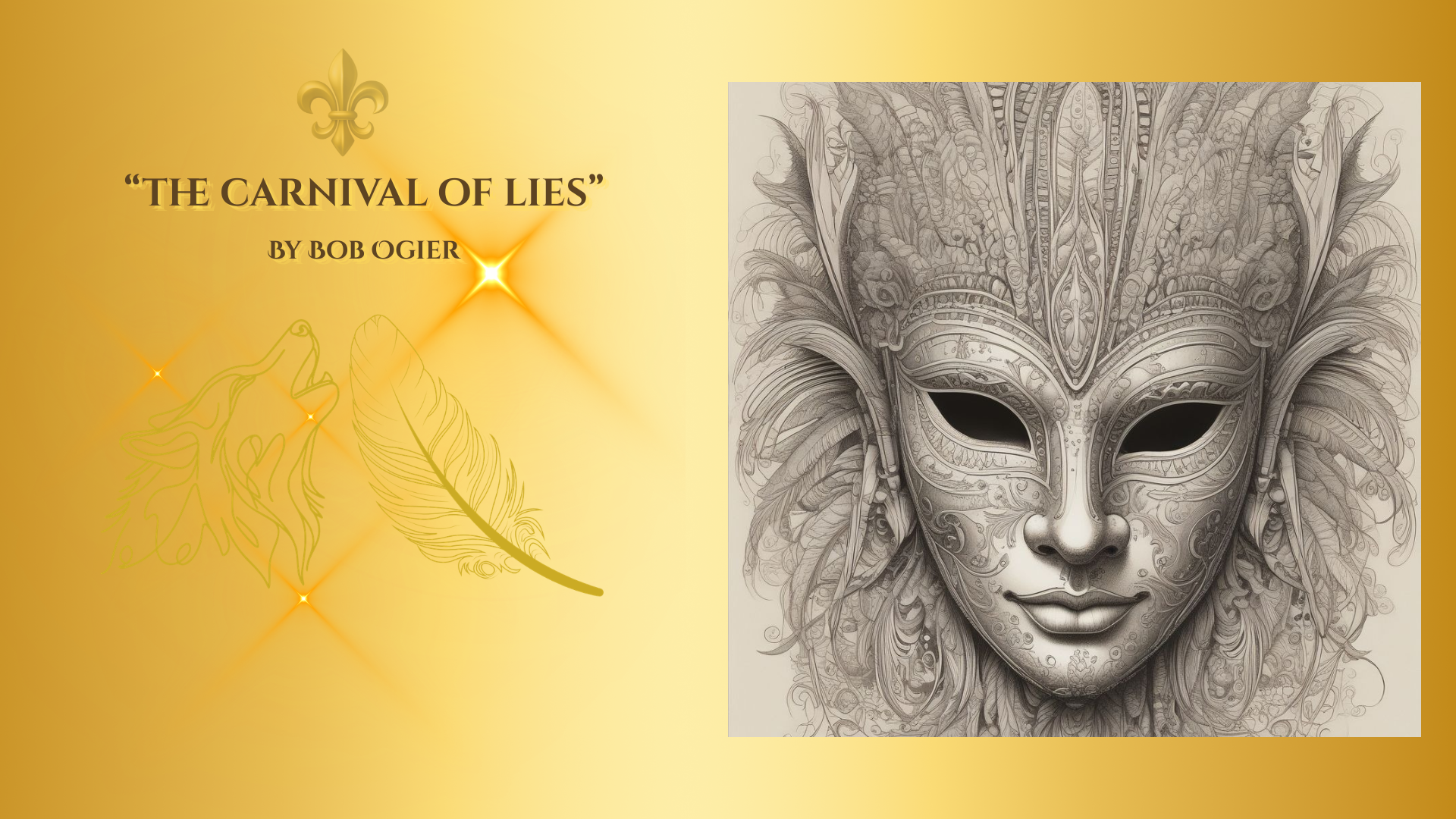
The carnival is one of humanity's absolute oldest symbols—a place of dynamic excitement, grand spectacle, and warped reality where the rules of normal life bend. That makes it the perfect metaphorical setting for an allegory regarding human deception. Every individual attraction on the midway promises something extraordinary, yet almost all of them are carefully designed, mechanical illusions.
Our daily lives often operate in much the same manner. Many small things appear vastly larger than they are, many promises sound incredibly better than they prove to be, and many people wear intricate masks designed to conceal rather than reveal who they are. The true danger is not that the carnival exists in the world; the danger is completely forgetting that it is a carnival. The wise traveler happily enjoys the colorful spectacle but remembers never to build a permanent home there. Because eventually, every show ends. And when the main breaker is pulled and the lights go out, only the truth remains standing in the dark.
One primary reason deception survives so long in human culture is that it often feels significantly better than reality. Truth can be difficult, uncomfortable, and demand massive personal change. Illusion asks for absolutely nothing; it merely asks us to sit still and keep watching the show. But eventually, every carnival closes down. The music stops, the banners fall to the dirt, the paint cracks under the weather, and the masks come off. The song serves to remind us that while a lie may easily attract a massive crowd, truth never needs an audience. It simply waits patiently until the lights go dark.
Track 23 — The Carnival of Lies